
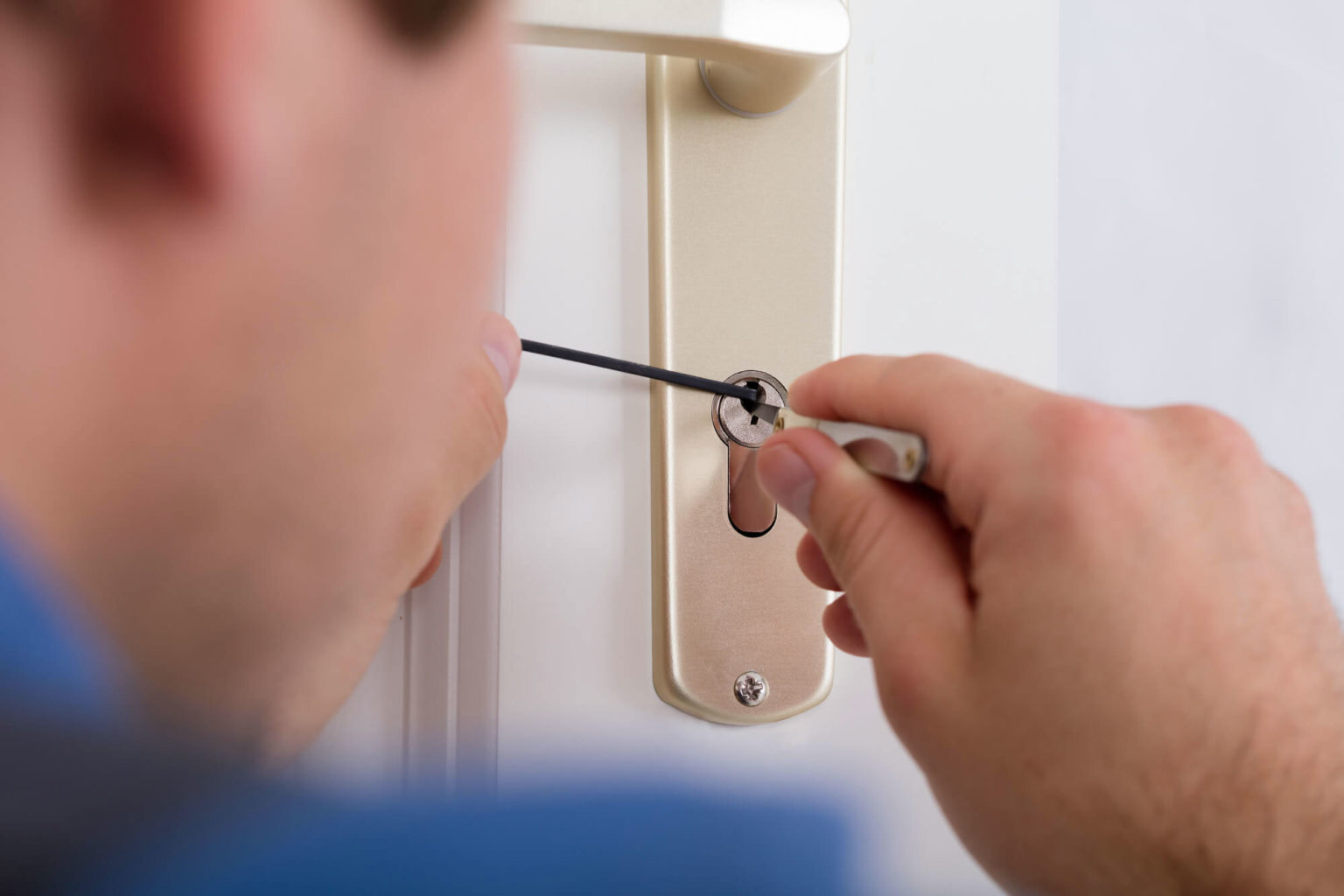
A safe is more than just a metal box — it’s a critical piece of security equipment that protects valuable assets, sensitive documents, and treasured possessions. However, for a safe to truly do its job, both its installation and ongoing maintenance must be handled with care and expertise. Whether you’re setting up a new home safe, upgrading your business’s security, or servicing an existing unit, understanding the essentials of safe installation and maintenance can save you time, money, and frustration.
If you find yourself in need of urgent assistance, trusted Emergency Locksmith Services in Grand Rapids, MI can provide expert help when you need it most.
Why Proper Safe Installation Matters
The installation process is crucial because even the strongest safe can become vulnerable if installed improperly. Here’s why professional installation is so important:
1. Security Assurance
Professional installers know how to place your safe in a location that maximizes protection against theft, fire, and natural disasters. They can bolt it to the floor or wall, making it nearly impossible for a burglar to remove it easily.
2. Optimal Placement
Safe placement is more strategic than you might think. A safe placed in a visible or easily accessible location can become an easy target. An experienced locksmith or safe installer will recommend concealed locations that still provide quick access to authorized users.
3. Compliance with Regulations
Businesses especially must comply with insurance standards and local safety regulations. Professional installers understand these requirements and ensure that the safe installation meets all necessary codes.
Choosing the Right Safe
Before even thinking about installation, you must choose the right safe for your needs. Here are some factors to consider:
- Fire Resistance: Not all safes are fireproof. Check the fire rating to ensure your documents and valuables will survive in case of a fire.
- Burglary Resistance: A high-quality safe will have solid steel construction, complex locking mechanisms, and bolt-down capabilities.
- Size and Capacity: Always choose a safe slightly larger than you currently need to account for future valuables.
- Purpose-Specific Safes: There are safes designed for guns, documents, jewelry, and even digital media.
Safe Maintenance: Keeping It Reliable Over Time
Once installed, your safe needs regular maintenance to remain effective. Here’s what proper maintenance entails:
1. Routine Inspections
Regularly inspect the exterior and interior for signs of wear and tear, corrosion, or attempted tampering. Early detection of issues can prevent costly repairs later.
2. Lock Servicing
The locking mechanism is the heart of any safe. Whether it’s a combination dial, electronic keypad, or biometric scanner, periodic servicing by a professional is crucial to ensure optimal functionality.
3. Lubrication
Moving parts need occasional lubrication to prevent stiffness or lockout situations. However, not all safes require lubrication, so check the manufacturer’s guidelines or consult a locksmith.
4. Updating Access Codes
For electronic safes, updating your access codes periodically can enhance security, especially if there’s been employee turnover or you suspect a code has been compromised.
5. Battery Replacements
For electronic safes, regular battery replacement is a must. Never wait until the low battery indicator flashes — set a routine schedule to replace batteries annually or as recommended.
Common Installation Mistakes to Avoid
Even with the best intentions, improper safe installation can compromise your security. Here are mistakes to avoid:
1. DIY Installation
While DIY projects can save money upfront, installing a safe without professional expertise often leads to vulnerabilities. Poor anchoring, choosing the wrong location, or damaging the safe during setup are common pitfalls.
2. Overlooking Environmental Factors
Placing a safe in a damp basement without proper insulation can lead to rust and corrosion. Always consider humidity, temperature, and environmental risks when selecting a location.
3. Ignoring Manufacturer Instructions
Each safe is different. Following the manufacturer’s installation guidelines is critical to ensure warranties remain valid and the safe performs as intended.
The Role of Locksmiths in Safe Services
Professional locksmiths are not just for doors and car keys; they are trained to install, maintain, and repair safes. Companies like Key Rescues, which offer expert Locksmith Services in Grand Rapids, MI, provide a wide range of services for residential and commercial safes.
Experienced locksmiths can:
- Install safes securely with proper anchoring
- Perform regular maintenance and inspections
- Unlock safes during lockouts without causing damage
- Repair or replace worn or malfunctioning parts
- Provide emergency services when you need quick access or immediate repairs
When to Call for Safe Services
Knowing when to call a professional can prevent small issues from becoming major headaches. Here are some signs you need expert help:
- You can’t open your safe even though you have the correct code
- The locking mechanism feels loose or sticks
- You notice water damage, rust, or unusual noises
- You’re moving to a new location and need the safe relocated
- You want to upgrade your safe’s security features
Remember, tampering with a malfunctioning safe yourself can cause more harm than good. A professional locksmith ensures the job is done properly and safely.
Upgrading and Modernizing Your Safe
As technology evolves, so do safes. If your safe is over 10 years old, it might be time for an upgrade. Modern safes offer enhanced features like biometric access, audit trails (for commercial use), and improved fireproof materials.
A professional locksmith can help you assess whether retrofitting your current safe with upgraded parts is possible or if investing in a new model would be more cost-effective.
Final Tips for Safe Installation and Maintenance
- Hire Certified Professionals: Always hire licensed, bonded, and insured locksmiths for any work on your safe.
- Keep User Manuals: Save your safe’s manual and installation documents for reference.
- Document Access: Maintain a log of who has access to your safe, especially in business settings.
- Plan for Emergencies: Establish a backup plan in case you lose access to your safe, including having a trusted locksmith’s contact information handy.
- Location Confidentiality: Keep the location of your safe private, sharing it only with trusted individuals.
If you’re in Grand Rapids and looking for top-tier locksmith services, check out Key Rescues for expert, trusted support.
By taking safe installation and maintenance seriously, you’re not just protecting your valuables—you’re investing in long-term peace of mind. Whether you’re setting up a new safe or maintaining an old one, remember that expert assistance is just a call away.